Thin Walls is a platform designed to help people better understand the realities of sound in multi-dwelling environments such as apartments, townhouses, hotels, and student accommodation.
The Thin Walls logo that you see being used throughout the platform was made by me on a Saturday morning, using Microsoft Excel. Yup, I created the logo with coloured cells, block by block to form the "T" shape. I think that's pretty cool.
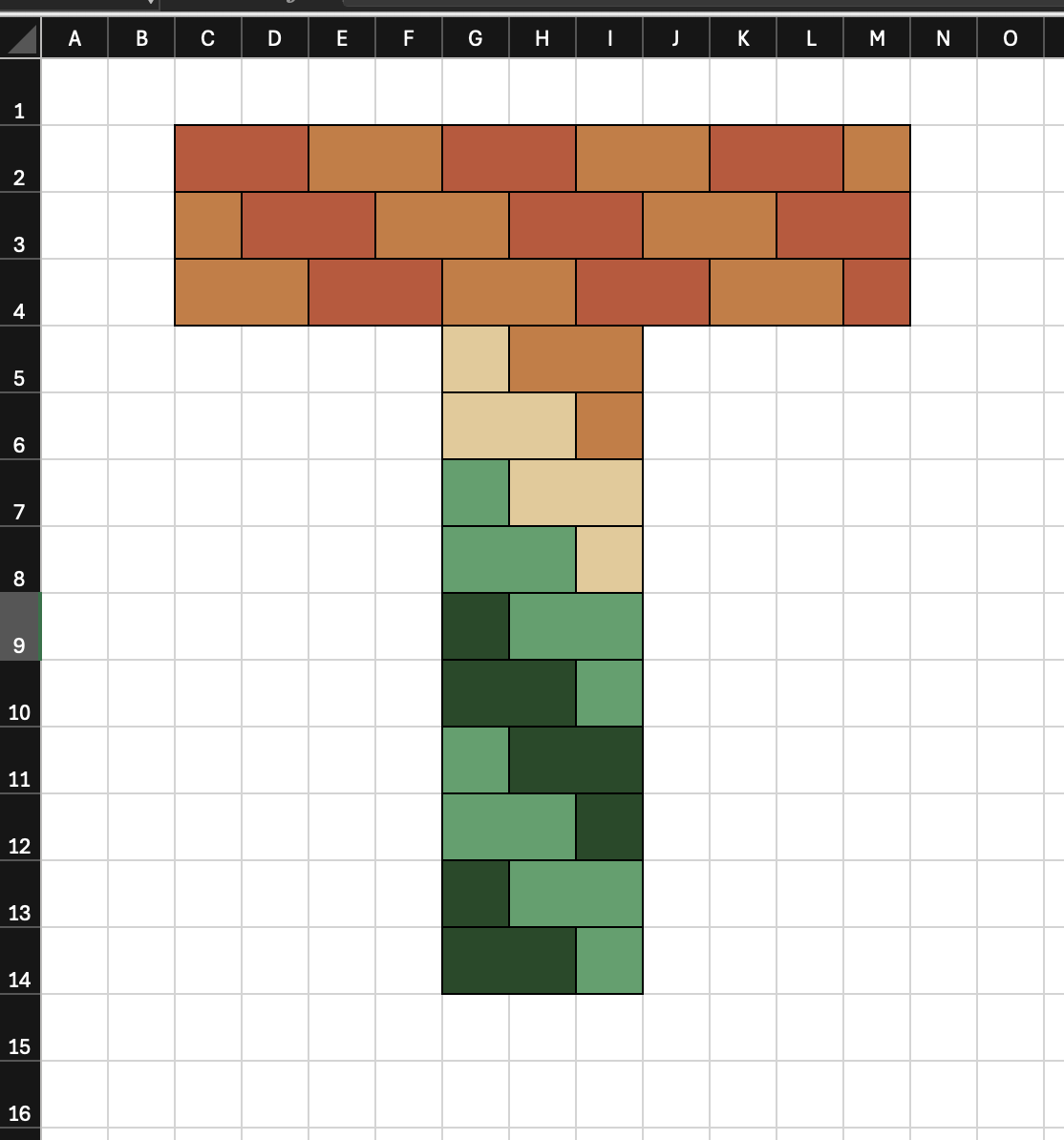
Its shape carries the Thin Walls idea in miniature form. The coloured bricks form a T: the letter represents Thin, while the brick layout represents Walls.
The logo was exported as a PNG that very same day, on Saturday, 14 September 2024 at 11:22.
The brand colours took shape on the same day too:
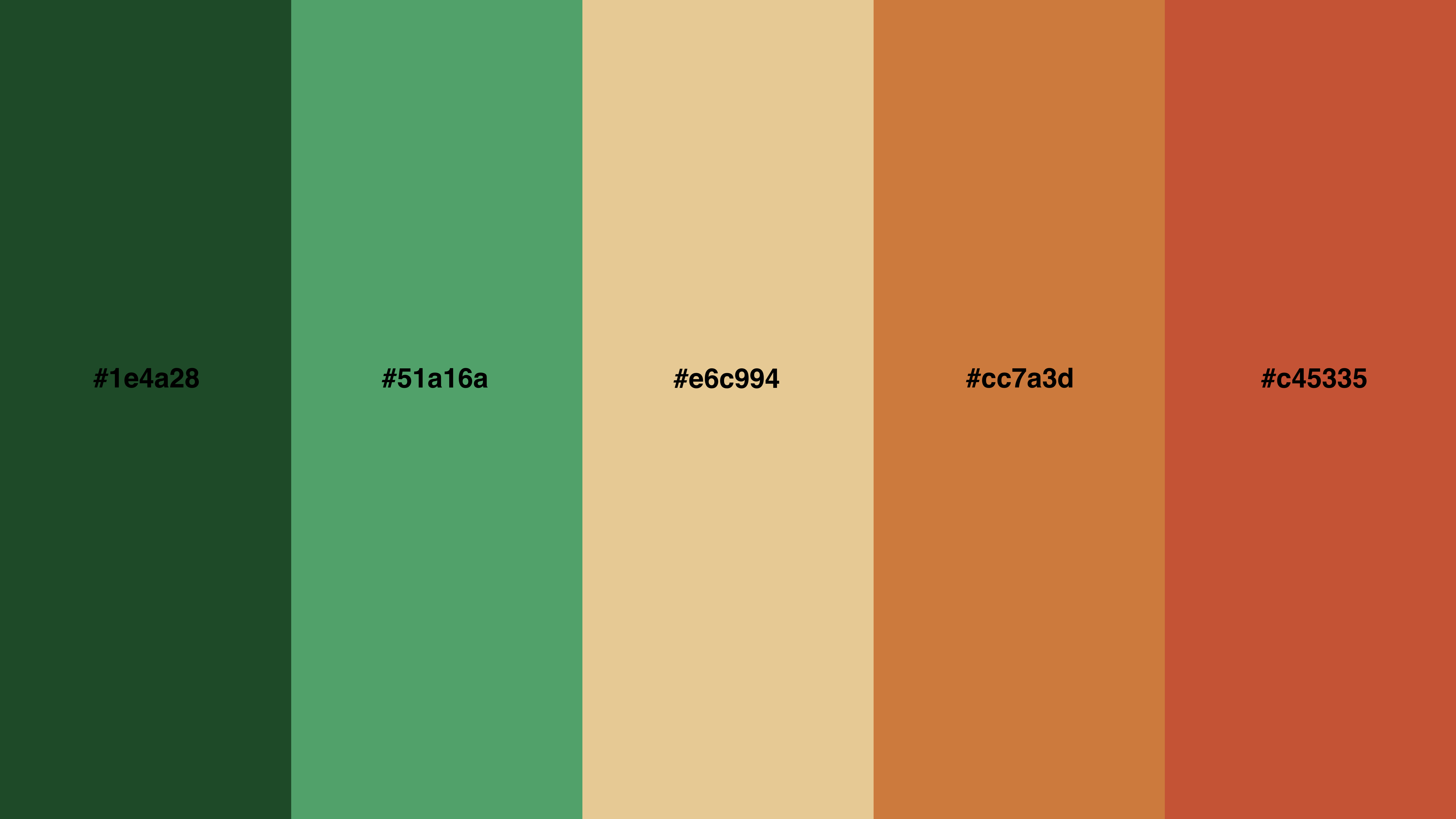
The greens represent nature, the orange tones echo the colour of
bricks, and #e6c994 bridges
the two sides of the
palette
.
On 11 November 2024, the purchase of the
thinwalls.life domain gave this project a
public home. The name draws on the familiar way we describe poor
sound insulation in our homes: we say the walls are thin. The
.life top-level domain (TLD) recognises
that this experience goes beyond a building problem. It affects our
lives and the lives of the people around us.
Turning research into something tangible
With a name, an identity and a public home in place, I began to do research. The core research came together in January 2025, with some additional material added in February 2025. It explored sound, privacy, anxiety, neighbour dynamics, building standards and the ways people could regain a sense of control in their homes.
The research was used to power educational blog posts that appear on the Thin Walls website. I published the first blog post on 11 February 2025, Understanding STC Levels .
In June and July 2025, the research moved into a physical form through a series of downloadable Thin Walls zines .
The zines give a difficult topic a simple route into everyday conversation. A zine can be downloaded, printed and passed to a neighbour, friend or family member. It makes room to discuss thin walls in a casual, low-conflict way.
A visual language made by hand
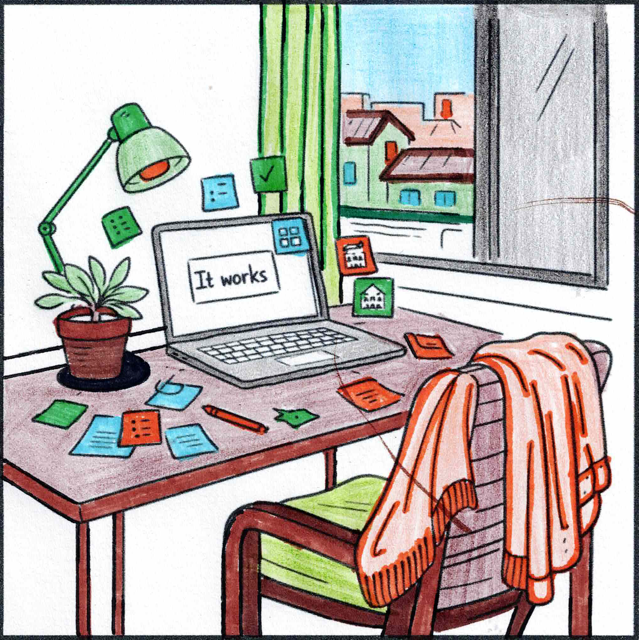
I enjoy colouring in images as one of my hobbies. To weave some of that creativity into the platform, I used ChatGPT to create AI-generated colouring images. They are all themed around life in multi-dwelling buildings. I coloured the images by hand using mostly the brand's palette, scanned, cropped and then reused them as blog thumbnails and other website visuals.
Here's one that I'm looking forward to using soon:
From identity to software
Looking back, Thin Walls didn’t suddenly become real when I started writing code. Each smaller act - making the logo, gathering research, publishing articles, folding zines and colouring images - gave the idea a little more shape. By the time I began building the software, Thin Walls already had a clear identity, purpose and body of work behind it.
Development of the Thin Walls mobile app began on 19 December 2025, followed by the API development on 24 December 2025. Those builds mark the next stage of Thin Walls. I’ll explore the app and API in their own posts, along with the decisions, constraints and lessons that shaped them.
Keep building,
Margaret